



Ingredient Guide
The Petterm Journal
A quieter, more thoughtful approach to pet wellness.
Care guides, ingredient breakdowns, and daily routines for cats and dogs — written by veterinarians, edited for clarity, and grounded in what actually changes your pet's day.
By concernBy ingredientBy pet typeBy daily routineBy wellness goal
Editorial Perspective
The reasoning behind every Petterm formula.
Each article explains the why — what's happening in your pet's body, which ingredients change it, and how to build a daily routine that actually sticks. No filler, no fear-marketing.
Start with the concern, not the product.
Plain-language ingredient breakdowns.
Routines you can keep going for months.
Search results
Matching articles
Ingredient Guide
Omega-3 Fatty Acids for Dogs: EPA, DHA, and Why the Source Matters
Fish oil, flaxseed, krill — omega-3 supplements differ in ways that actually change how much DHA and EPA a dog absorbs. A clear breakdown of sources, bioavailability, and realistic benefits.
Digestive Health
Fiber for Cats: Soluble vs. Insoluble and What Your Cat's Gut Actually Needs
A practical guide to soluble vs. insoluble fiber for cats — how each type works, which digestive concerns each one addresses, and the real-world sources that deliver results.
Health & Wellness
Signs Your Dog Is Losing Weight (and When It's a Problem)
Weight loss in dogs isn't always visible until it's significant. Learn the early physical signs, the most common causes, and when unexplained weight loss requires a vet visit.
Behavior
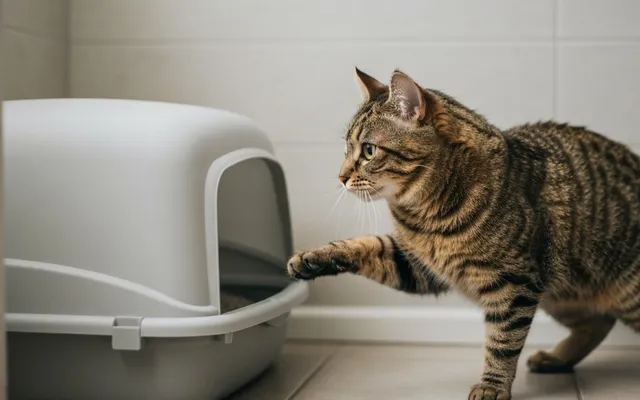
Why Your Cat Is Avoiding the Litter Box: The Five Most Common Causes
Most litter-box advice starts with stress. It should start with medical. By the time a cat is missing the box, there's a one-in-three chance a urinary tract issue is driving the change.
Behavior
Why Is My Cat Overgrooming? The Three-Way Decision: Stress, Allergies, or Pain
The vet's first question used to be 'is the cat stressed?' That misses two-thirds of the diagnosis tree. Allergies and underlying pain account for far more overgrooming cases than the anxiety story suggests.
Nutrition
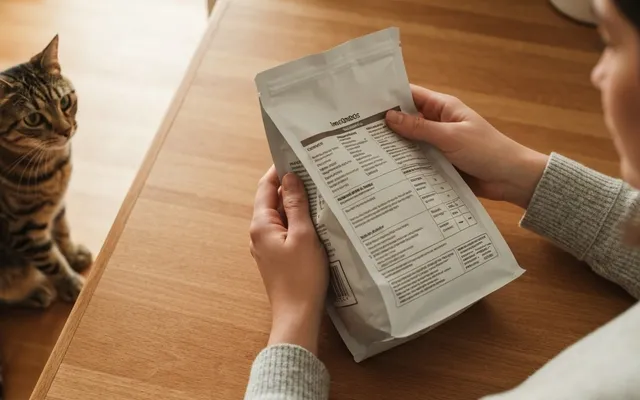
How to Read a Cat Food Label: What the Ingredients Panel Actually Tells You
The first ingredient being 'chicken' tells you almost nothing useful on its own. Where the moisture comes from, what the protein percentage actually means in dry-matter terms — that's what matters.
Exercise & Fitness
How Much Exercise Does a Senior Dog Need?
Cutting a senior dog's walks to nothing because they're 'old' accelerates the muscle loss and joint stiffness you're trying to protect them from. The goal is calibrated activity, not rest.
Grooming
How to Trim Your Dog's Nails at Home (Without Drawing Blood)
The first cut should feel underwhelming. If you can see the underside of a sliced nail starting to look concentric, you're at the right depth. Past that ring is where the quick lives.
Grooming
How Often Should You Bathe Your Dog? It Genuinely Depends
Bathing a dog every week with the wrong shampoo can break down the skin barrier faster than no bath at all. Bath frequency is one of the most over-prescribed numbers in dog care.
Health & Wellness
Types of Dog Eye Discharge: What Each Color and Texture Means
Clear and watery is almost never an emergency. Thick green or yellow with squinting usually is. The distinction matters more than most owners realize.
Nutrition
The Truth About Grain-Free Dog Food: What the FDA's DCM Investigation Actually Found
The FDA didn't ban grain-free. It also didn't clear it. Both halves of that sentence matter, and most marketing copy only repeats one of them.
Nutrition
How Much to Feed Your Dog: A Calorie-First Approach That Actually Works
The number on the back of the kibble bag is a starting point at best. The real feeding number comes from a quick calorie calculation, then a body-condition recheck two weeks later.
Ingredient Guide
Inulin as a Prebiotic for Pets: How This Fructan Feeds the Gut Microbiome
Inulin ferments fast. That's both its strength and its weakness — and understanding the difference between inulin types explains why some products use it and others avoid it.
Ingredient Guide
Taurine for Cats: Why This Amino Acid Is Non-Negotiable
Unlike most mammals, cats cannot synthesize taurine. Deficiency leads to dilated cardiomyopathy and retinal degeneration. Here's what that means for daily nutrition.
Exercise & Fitness
Protein for Dogs: How Much, Which Sources, and Why It Matters for Muscle
Feeding a senior dog the same protein amount as a healthy adult is one of the most common mistakes in aging dog nutrition. The muscle math doesn't work that way.
Ingredient Guide
Lutein for Dogs and Cats: The Carotenoid Behind Eye Health
Lutein is a carotenoid found in the retina that filters harmful blue light and supports macular density. Learn what it does in pets and why it appears in eye-support supplements.
Grooming
Hairball Remedies for Cats: What Actually Works
From petroleum-based gels to fiber supplements and probiotics — a practical look at which hairball remedies have evidence behind them and how to use them.
Digestive Health
7 Signs Your Cat's Gut Health Needs Attention
Your cat can't tell you something is off in their digestive system. But their body can — if you know where to look.
Digestive Health
Why Cats Get Hairballs — And What Actually Helps
Most owners treat hairballs as a grooming issue. The mechanism is digestive — and so are the most effective solutions.
Nutrition
Best Wet Food for Indoor Cats: What to Look For (And What to Skip)
Indoor cat nutrition isn't complicated, but label marketing makes it seem that way. Here's the practical framework for finding a wet food your cat will thrive on.
Exercise & Fitness
Senior Dog Muscle Building: The Exercises That Actually Work
The right exercises can rebuild muscle in a senior dog. The wrong ones cause joint damage. Here's how to tell the difference and build a program that works.
Health & Wellness
What Is Porphyrin? The Science Behind Your Dog's Tear Stains
That reddish-brown staining under your dog's eyes has a name and a mechanism. Understanding porphyrin is the first step to addressing it effectively.
Health & Wellness
White Dog Tear Stains: Which Breeds Get Them and Why
Tear staining isn't random. Certain white-coated breeds are almost guaranteed to deal with it — not because of their coat color, but because of what's behind their eyes.
Ingredient Guide
L-Lysine for Cats: What It Does, What It Doesn't, and Why It's Still Used
L-Lysine appears in more cat supplements than almost any other amino acid. The science behind it is genuinely interesting — and more complicated than most product pages let on.
Ingredient Guide
Lactoferrin for Pets: The Iron-Binding Protein Behind Tear Stain Reduction
Lactoferrin shows up in tear stain formulas for two distinct reasons. Most product pages only explain one of them.
Ingredient Guide
Psyllium Seed Husk: The Soluble Fiber That Supports Feline Digestion
Psyllium isn't just a human fiber supplement. In cats, it plays a specific mechanical and microbiome-supporting role that makes it a genuinely useful ingredient.
Digestive Health
Probiotics for Cats: 7 Benefits Beyond Digestion You Should Know
Most cat owners reach for probiotics after a bout of diarrhea. But research suggests these live microorganisms quietly support your cat's health in ways that go well beyond the litter box.
Exercise & Fitness
Muscle Loss in Senior Dogs: Signs, Causes, and What You Can Do About It
Your dog didn't get lazy. Age-related muscle loss is a documented physiological process, and the earlier you recognize it, the more options you have.
Health & Wellness
How to Get Rid of Tear Stains on Dogs and Cats: A Science-Backed Guide
Those reddish-brown streaks under your pet's eyes have a name, a cause, and a solution path that goes deeper than wiping with a damp cloth every morning.
No articles match your search. Try a broader term, or browse the library:
Browse by concern
The concerns behind the formulas
Start where your pet needs the most help — hairballs and digestion, eye-area care, or weight and muscle support.

For Cats
Hairball Support
A considered guide to digestion, grooming, and daily support for cats prone to frequent hairballs.
Explore Hairball Support →

For Dogs & Cats
Tear Stain Care
A gentler way to understand tear stains, eye-area wellness, and the habits that support a cleaner coat.
Explore Tear Stain Care →

For Dogs
Weight & Muscle
Thoughtful content on healthy weight, strength, appetite, and daily nourishment for dogs who need more support.
Explore Weight & Muscle →

Featured essay
Why Cats Get Hairballs — And What Actually Helps
Most owners treat hairballs as a grooming issue. The mechanism is digestive — and so are the most effective solutions.
The Petterm standard
Mechanism first
Every article starts with what is actually happening in your pet's body — not a list of symptoms or a product pitch.
Evidence over anecdotes
We cite primary research and veterinary sources, and we name our authors. If something is still uncertain, we say so.
Build a routine you can keep
The goal is not just to inform — it's to help you build a daily routine simple enough to maintain for months, not days.
Selected reading
From the journal


Ingredient stories
What each ingredient actually does.
Plain-language breakdowns of every active ingredient in a Petterm formula — what it does, how much your pet gets, and what the research actually says.
Probiotics & Fiber
For digestive balance, smoother routines, and more complete hairball support.
L-Lysine & Lutein
For eye-area wellness and a more refined approach to tear stain care.
Protein & Amino Acids
For strength, healthy weight, and steady body condition support.
A daily ritual
The routines that actually stick are the ones built around your pet's day, not around willpower.
01
Start with one concern
Pick the issue you'd most like to see change first — hairballs, tear stains, weight, or digestion — and ignore the rest until that one is on track.
02
Pick the easiest format
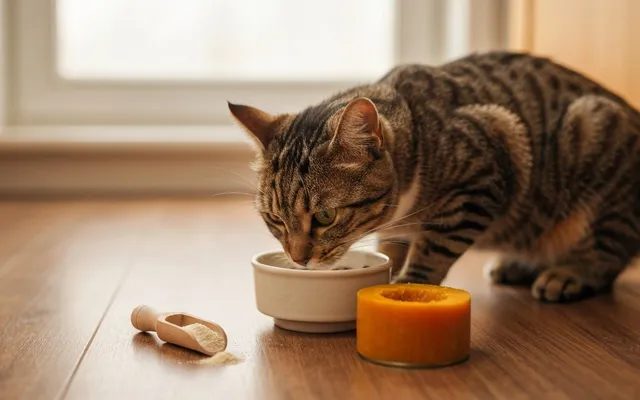
Powders mix into wet or dry food in seconds; soft chews go from the hand or the bowl. The right format is the one your pet won't fight.
03
Give it 4–6 weeks
Most visible change shows up in the second month of daily use. Treat the first month as the consistency-building phase, not the results window.
A note on expectations
Supplements support — they don't replace — a vet visit when something is genuinely wrong. If your pet's symptom is sudden, severe, or worsening, call the clinic first and use these formulas alongside medical care.
Stay close to the journal
New articles every week — straight to your inbox.
Practical, vet-reviewed care notes for your cat or dog. Plus 15% off your first order. One short email a week, easy to unsubscribe.