


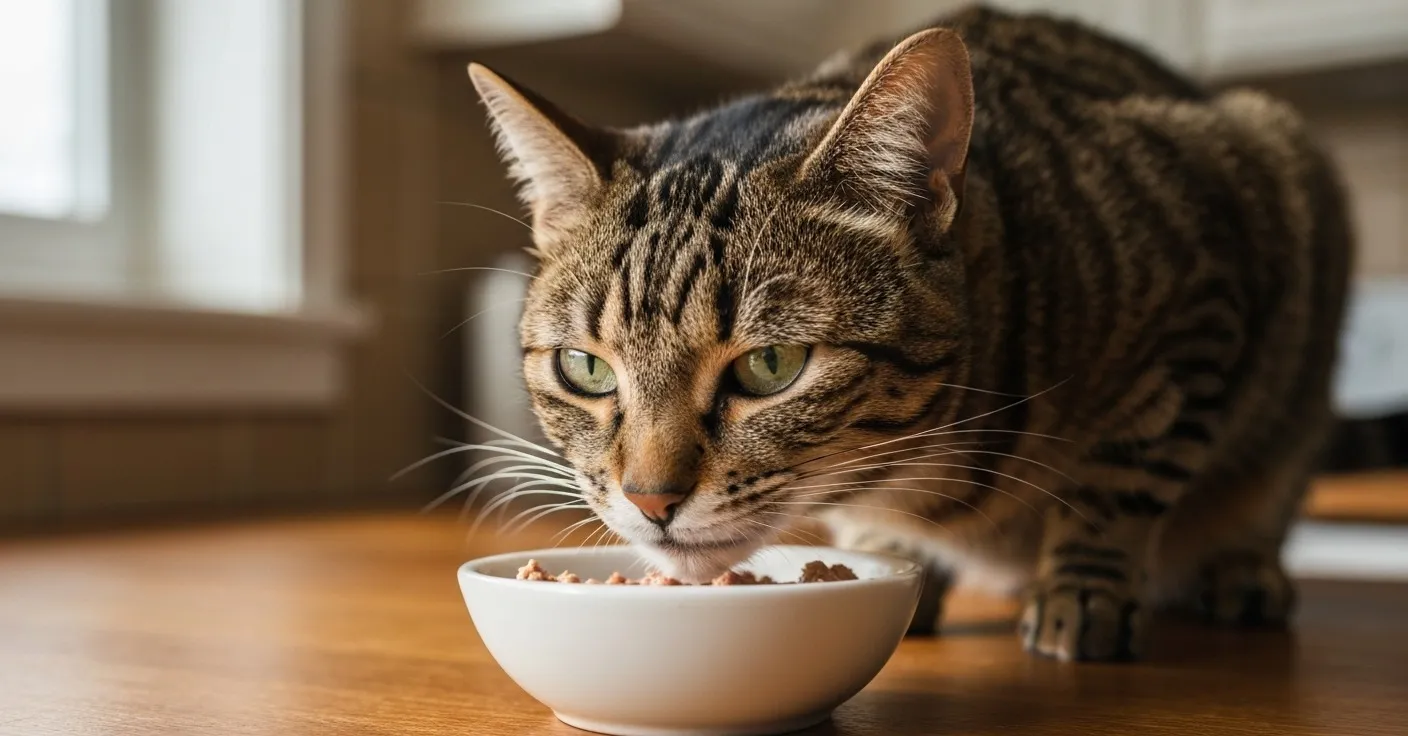
A breeder phoned me a few years ago about a four-year-old Maine Coon who’d suddenly become lethargic and was breathing oddly after climbing a single flight of stairs. Her cardiologist found a dilated, poorly contracting heart on echocardiogram. The cat had been on a boutique grain-free dry food for most of her life. We checked her taurine levels — they were low. After a diet change and supplementation, her heart function partially recovered over six months. Not everyone gets that ending.
That case isn’t rare anymore. It echoes a wave of feline heart disease that swept through the United States in the late 1980s — and the strange thing is, by 1987 we already knew exactly what was causing it. The story of taurine in cats is one of the cleanest cause-and-effect chains in small animal nutrition. Once you understand why, you stop thinking of taurine as one more line on an ingredient panel and start thinking of it as the single nutrient cats absolutely cannot live without.
What Taurine Is and Why Cats Can’t Make It
Taurine is a sulfur-containing amino acid, but unlike most amino acids it isn’t used to build proteins. It floats freely inside cells — in muscle, in retina, in the brain, in bile — doing structural and signaling work rather than being knitted into chains.
Most mammals make their own taurine from two precursor amino acids, cysteine and methionine, using a pair of enzymes called cysteine dioxygenase and cysteine sulfinic acid decarboxylase. Dogs make enough this way for normal function. Humans do too. Cats, however, have very low activity of cysteine sulfinic acid decarboxylase, the second enzyme in the chain (Knopf et al., 1978). What little they synthesize is not enough to keep up with daily losses.
Why? Because cats evolved as obligate carnivores eating prey, and prey already contains plentiful taurine in muscle, heart, and brain tissue. Natural selection rarely preserves expensive biological machinery for a job that the diet does for free. So feline taurine synthesis quietly atrophied over evolutionary time. Today, cats depend almost entirely on dietary intake for daily taurine needs (NRC, 2006).
The other complication is how cats lose taurine. They conjugate bile acids exclusively with taurine — dogs and many other species can swap in glycine when taurine is short, but cats cannot. Every time bile flows into the small intestine to help digest fat, more taurine is committed to the cycle. Some gets reabsorbed, but a meaningful fraction is consumed by gut bacteria and lost in the stool (Hickman et al., 1990). The result is an obligate, ongoing taurine drain that diet has to replace every day.
How Taurine Deficiency Was Discovered
The discovery is worth telling because it explains why pet food regulations look the way they do.
Through the early 1980s, veterinary cardiologists were seeing an unexplained epidemic of dilated cardiomyopathy in domestic cats. The heart muscle would weaken, the ventricles would balloon outward, contractility would crash. Many cats died within weeks of diagnosis. Causes proposed at the time included viral infection, genetic predisposition, and toxin exposure. None of them fit the pattern.
In 1987, Paul Pion and colleagues at UC Davis published a study showing that cats with dilated cardiomyopathy had markedly low plasma taurine — and that supplementing taurine reversed the cardiac changes in survivors (Pion et al., 1987). The cause turned out to be commercial cat foods that contained adequate taurine on paper but in forms or quantities that didn’t deliver enough biologically.
The response was swift. AAFCO (Association of American Feed Control Officials) revised minimum taurine standards for cat foods, and within a few years the epidemic largely disappeared from cats fed properly formulated commercial diets. Today’s AAFCO minimums for cat food are 0.10% taurine in dry diets and 0.20% in wet diets on a dry-matter basis (AAFCO, 2022). Those numbers exist because of Pion’s work.
A parallel story unfolded around feline retinal degeneration — Hayes et al. (1975) had already shown over a decade earlier that taurine-deficient cats developed central retinal degeneration leading to blindness. The two streams of evidence — the eyes in the seventies, the hearts in the eighties — converged on the same answer.
What Taurine Actually Does in the Body
Four jobs stand out, and they’re scattered across very different tissues.
Cardiac muscle function
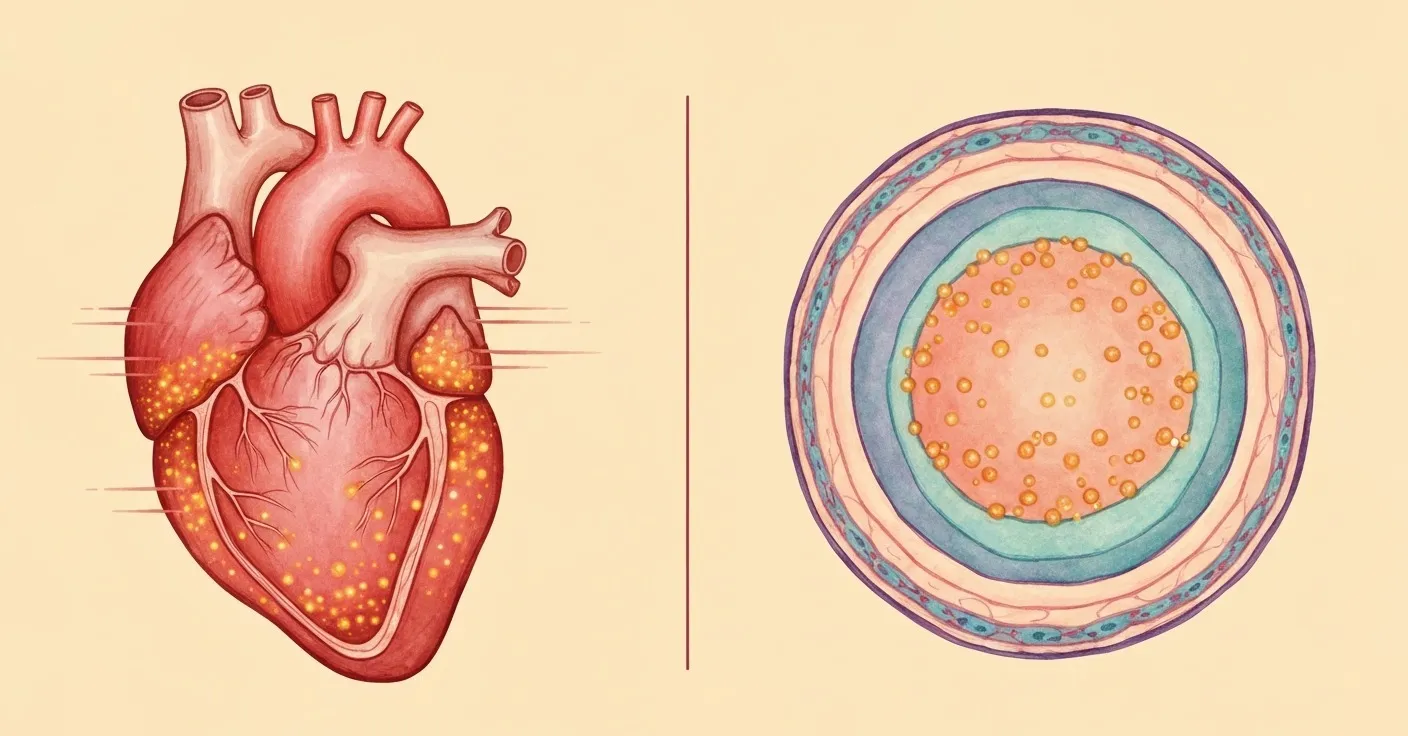
Heart muscle cells store extremely high concentrations of taurine — in cats, cardiac taurine levels are roughly 5 to 10 times higher than plasma levels. Inside cardiomyocytes, taurine helps regulate calcium handling during each heartbeat. Calcium flowing into and out of the cell is what triggers contraction; taurine modulates the rate and amplitude of those calcium movements, smoothing out contractions and preventing arrhythmia (Schaffer et al., 2010).
When intracellular taurine drops, calcium handling becomes erratic. Over weeks to months the muscle fibers stretch, the ventricle dilates, and pumping efficiency collapses. That’s dilated cardiomyopathy — and in cats, it’s the most reversible form of heart disease in veterinary medicine if caught early enough.
Retinal photoreceptor health
Photoreceptors — the rod and cone cells that detect light — burn through enormous amounts of energy and generate constant oxidative stress. Taurine concentrates heavily in retinal tissue, where it appears to stabilize photoreceptor membranes and protect against oxidative damage. The exact mechanism is still being worked out, but the consequence of deficiency is clear: central retinal degeneration, starting in the area of sharpest vision, progressing to permanent blindness if uncorrected (Aguirre, 1978).
Bile acid conjugation
Bile acids made in the liver have to be conjugated with another molecule before they can do their job of emulsifying dietary fat. Cats use taurine for all of this conjugation. The taurine attaches to the bile acid, the conjugated complex goes into bile, and the mix gets dumped into the small intestine with meals. Without enough taurine, fat digestion falters and fat-soluble vitamin absorption can suffer downstream (Hickman et al., 1990).
Reproduction, immunity, and neurological function
Taurine also shows up in measurable concentrations in white blood cells, brain tissue, and reproductive organs. Deficient queens have higher rates of fetal resorption, smaller litters, and kittens with developmental abnormalities (Sturman et al., 1986). These are less acute presentations than the cardiac and retinal effects, but they reinforce how widespread taurine’s role really is.
Why Wet Food Versus Dry Food Matters Here
This is where dietary form starts to matter — and where I see the most confusion in client conversations.
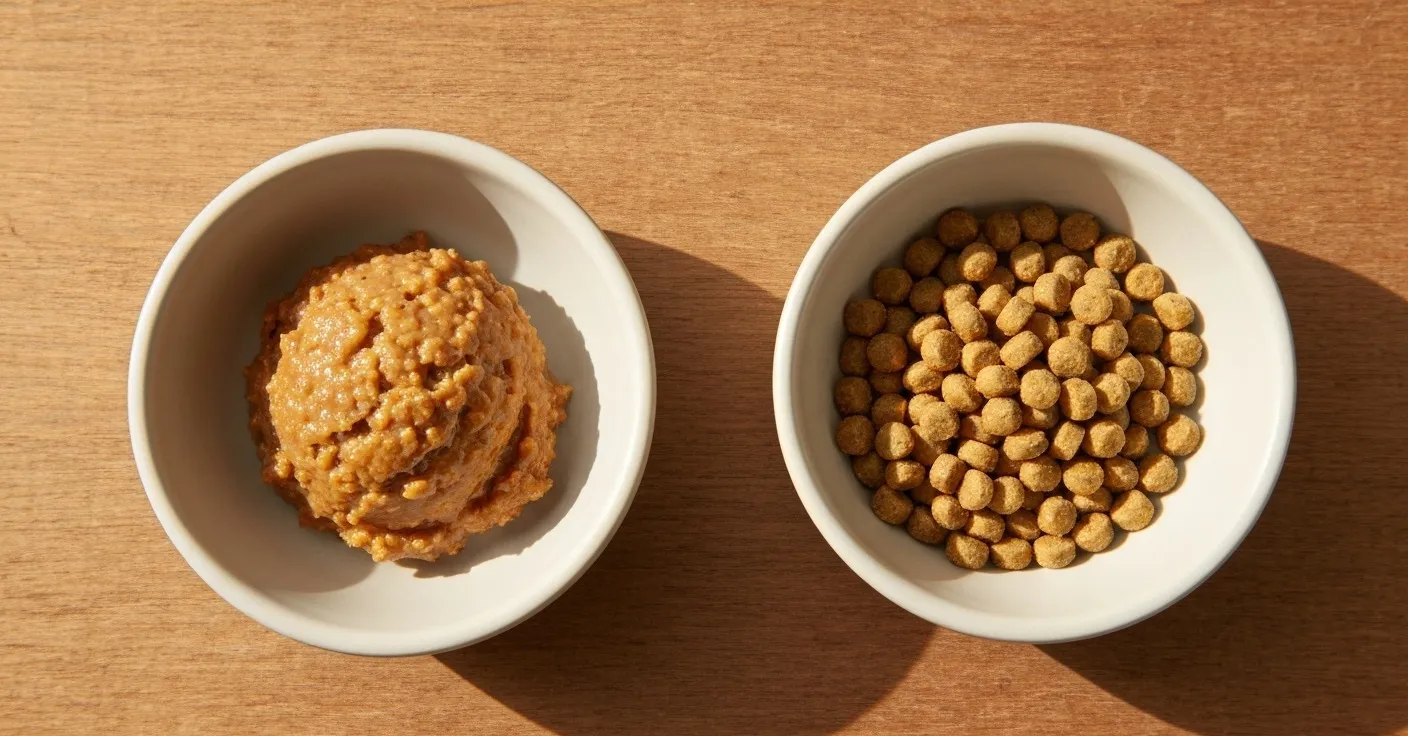
Dry kibble can absolutely supply enough taurine. AAFCO standards require it. But the processing matters. High-temperature extrusion, the manufacturing process behind most kibble, partially degrades taurine. Manufacturers compensate by adding more synthetic taurine to formulations to hit the 0.10% target on the finished product, which is the right approach. Where things get tricky is when ingredient choices push taurine availability lower.
Two patterns reduce usable taurine in cats:
- High-fiber or rice-bran-heavy diets appear to alter bile acid recycling, increasing taurine losses in the gut. Some commercial diets have caused taurine deficiency even when their formulated taurine values looked normal on the label (Earle & Smith, 1991).
- Plant-protein-substituted diets (pea, lentil, soy, potato-heavy formulations) can interact similarly. The 2018 FDA investigation into grain-free diets and canine cardiomyopathy raised the same concerns about cats fed similar formulations, though the cat-specific picture is still developing.
Wet food, by contrast, contains a higher proportion of whole-muscle and organ ingredients, fewer processed grains, and water content closer to a cat’s natural prey. AAFCO sets a higher taurine minimum for wet food (0.20% vs. 0.10%) because cats fed all-wet diets tend to have shorter intestinal transit times and slightly higher fecal taurine losses — so the formulation needs to compensate. In practice, well-formulated commercial wet foods deliver excellent taurine status.
For more detail on choosing wet diets, see our guide to the best wet food for indoor cats.
Daily Requirements and Practical Sources
The current AAFCO and NRC consensus for adult cats is approximately 75 milligrams of taurine per kilogram of body weight per day for routine maintenance — which for an average 4 to 5 kg cat works out to roughly 300 to 400 mg daily (NRC, 2006). Growing kittens and pregnant queens need more.
Most commercial cat foods meeting AAFCO standards provide several times that amount, which builds in a safety margin against processing losses and individual variation.
Naturally taurine-rich foods include:
- Heart muscle (chicken heart, beef heart) — among the highest concentrations of any tissue, often 1,000+ mg/100g
- Dark poultry meat (thigh, leg) — significantly higher than breast meat
- Shellfish — clams, mussels, and oysters carry very high taurine levels
- Fish — sardines, mackerel, and tuna all contribute meaningfully
- Organ meats — liver and kidney supply useful amounts alongside other essential nutrients
What you don’t see on that list: plant foods. Taurine is essentially absent from grains, vegetables, fruits, and seeds. A cat eating a poorly-balanced plant-heavy diet without supplementation is at real risk.
Supplementation: When It Helps and When It Doesn’t
Taurine supplementation is well-tolerated. The amino acid is water-soluble; excess simply gets excreted in urine, and there’s no recognized toxic upper limit in cats at any practical dose. That makes it tempting to recommend universally — but supplementation isn’t always necessary.
Cats who genuinely benefit:
- Cats on a diagnosed taurine-deficient diet or recovering from cardiac/retinal complications (these are typically prescribed 250–500 mg/day under veterinary supervision)
- Cats eating home-prepared diets where ingredient analysis hasn’t confirmed taurine content
- Cats with malabsorption conditions affecting amino acid uptake
- Cats whose owners are transitioning between diets and want a short-term buffer
Cats who probably don’t need it:
- Cats eating commercial AAFCO-compliant wet or dry food from established manufacturers, in normal health
If you’re going to add a supplement to support a cat’s broader gut and absorption health — particularly one combining probiotics, prebiotics, and digestive enzymes like the Petterm Probiotic Hairball Control Powder — the role isn’t to replace taurine, but to help the gut work efficiently so that whatever taurine is in the diet gets used well. A cat with chronic GI inflammation or rapid transit can lose nutrients faster than a healthy cat absorbs them. Gut health and amino-acid status are quietly linked. For more on the digestive-side picture, see our overview of probiotics for cats.
Frequently asked questions
Can a cat get too much taurine? Not really, at practical dietary levels. Excess taurine is excreted in urine. No recognized toxicity exists at supplementation doses commonly used in veterinary practice. That said, “more is better” isn’t a rule worth chasing — a cat eating a well-formulated diet doesn’t need taurine megadoses.
Is taurine deficiency reversible? It depends on what’s damaged. Cardiac muscle can recover substantially over months of taurine repletion if the cat survives the acute phase. Retinal degeneration, once it has occurred, is generally permanent. This is why early diagnosis matters so much.
Do kittens need more taurine than adult cats? Yes. Growing kittens and pregnant or lactating queens have higher taurine requirements than adult cats. Kitten formulas are formulated to reflect this; adult-formula foods aren’t always appropriate for these life stages.
Does cooking destroy taurine? Moderate heat doesn’t destroy taurine much, but long high-temperature processing and prolonged storage do reduce levels. This is one reason commercial diets are formulated with extra taurine relative to the bare minimum — to compensate for processing losses.
Why don’t dogs need the same dietary taurine cats do? Dogs synthesize enough taurine from cysteine and methionine for normal physiology under most conditions. Some breeds (Golden Retrievers, Boxers, Cocker Spaniels) appear to have higher requirements and may develop deficiency on certain diets, but the underlying biology is fundamentally different from cats.
Can I give my cat human taurine supplements? Pharmaceutical-grade taurine powder is the same molecule regardless of label. The practical issue is dosing — human supplements are typically formulated for human-sized doses. If you’re going to supplement, work with your veterinarian on the right amount for your cat’s size and condition.
My cat eats only dry food. Should I worry? Not if the dry food is a reputable AAFCO-compliant complete-and-balanced formula. Watch for unusual symptoms — lethargy, breathing changes, reduced activity — and have a baseline echocardiogram done if your cat is in a higher-risk breed (Maine Coon, Ragdoll, Persian) or eating an unconventional diet.
When to contact your veterinarian
See a vet promptly if your cat shows:
- Sudden lethargy, reluctance to play, or hiding behavior — especially in a previously active cat
- Open-mouth breathing, fast breathing at rest, or breathing that looks labored — these are red-flag signs of cardiac compromise and warrant same-day evaluation
- Bumping into furniture, hesitating on stairs, or pupils that don’t constrict normally in bright light — possible signs of retinal degeneration
- A history of home-prepared, vegan, or unconventional diet over months to years — even without obvious symptoms, baseline plasma taurine testing is reasonable
- A diagnosis of dilated cardiomyopathy in a related cat — some breeds (Maine Coon, Ragdoll) have genetic predispositions independent of taurine; family history matters
For breathing changes that look acute — particularly open-mouth breathing in a cat who isn’t stressed or just exercised — treat it as an emergency and seek same-day veterinary care.
References
- AAFCO. (2022). Official Publication of the Association of American Feed Control Officials. AAFCO.
- Aguirre, G. D. (1978). Retinal degeneration associated with the feeding of dog foods to cats. Journal of the American Veterinary Medical Association, 172(7), 791–796.
- Earle, K. E., & Smith, P. M. (1991). The effect of dietary taurine content on the plasma taurine concentration of the cat. British Journal of Nutrition, 66(2), 227–235.
- Hayes, K. C., Carey, R. E., & Schmidt, S. Y. (1975). Retinal degeneration associated with taurine deficiency in the cat. Science, 188(4191), 949–951.
- Hickman, M. A., Rogers, Q. R., & Morris, J. G. (1990). Effect of processing on fate of dietary taurine in cats. Journal of Nutrition, 120(9), 995–1000.
- Knopf, K., Sturman, J. A., Armstrong, M., & Hayes, K. C. (1978). Taurine: an essential nutrient for the cat. Journal of Nutrition, 108(5), 773–778.
- NRC. (2006). Nutrient Requirements of Dogs and Cats. National Research Council, The National Academies Press.
- Pion, P. D., Kittleson, M. D., Rogers, Q. R., & Morris, J. G. (1987). Myocardial failure in cats associated with low plasma taurine: a reversible cardiomyopathy. Science, 237(4816), 764–768.
- Schaffer, S. W., Jong, C. J., Ramila, K. C., & Azuma, J. (2010). Physiological roles of taurine in heart and muscle. Journal of Biomedical Science, 17(Suppl 1), S2.
- Sturman, J. A., Gargano, A. D., Messing, J. M., & Imaki, H. (1986). Feline maternal taurine deficiency: effect on mother and offspring. Journal of Nutrition, 116(4), 655–667.
Researched and reviewed by the Petterm Editorial Team · Last reviewed May 2026
This article is for educational purposes and is not veterinary medical advice. Petterm products are not intended to diagnose, treat, cure, or prevent any disease. Results may vary. Always consult your veterinarian before introducing a new supplement, especially if your pet has an existing condition, takes medication, is pregnant, or is under 12 weeks old.