


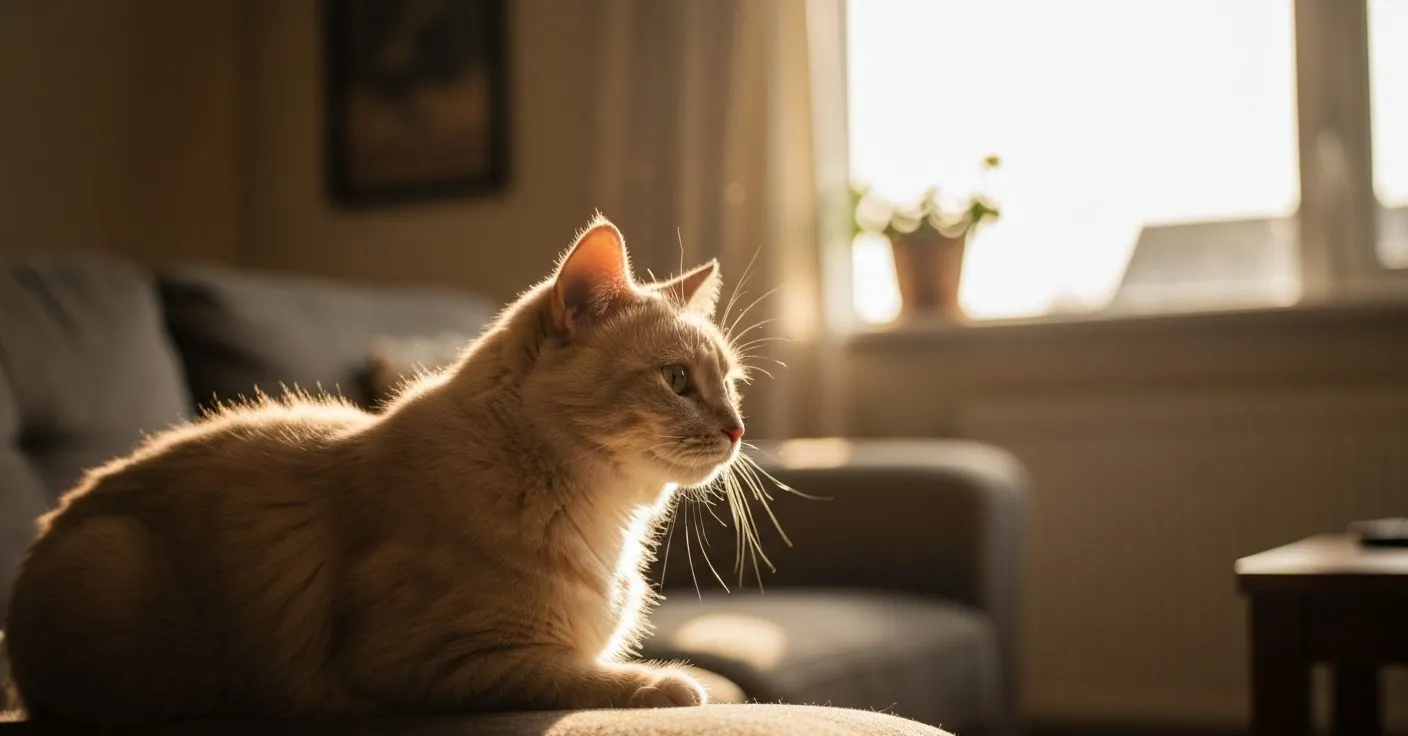
A client once brought her Persian, Biscuit, to see me for the third time in two months. Each visit was the same story: retching sounds in the night, a thick cylindrical mass on the kitchen tiles, and a profoundly unimpressed cat by morning. She had tried everything — petroleum gel dabbed on the paw, a patch of cat grass by the window, a bag of “hairball formula” kibble she picked up at the pet store. Nothing made a lasting difference.
What she hadn’t done was think about why each remedy works the way it does. That distinction matters more than most cat owners realize. Some products lubricate an existing accumulation. Some increase gut motility before accumulation can happen. Some address the problem before hair ever reaches the stomach. Knowing the mechanism behind each option helps you choose — or combine — them far more intelligently than picking a product off the shelf based on the brand’s marketing.
Why Cats Get Hairballs in the First Place
Cats are meticulous groomers, and the backward-facing papillae on their tongues act like a comb that traps loose fur during each pass. Most of that fur moves through the digestive tract without any trouble. Hairballs form when enough hair accumulates in the stomach to resist normal gastric passage — the mass eventually gets expelled through retching rather than defecation (Cannon, 2013).
A few factors make some cats more prone than others. Long-haired breeds like Persians and Maine Coons ingest more fur with every grooming session. Senior cats and anxious cats tend to groom more intensively than average. Cats with slower GI motility can’t move ingested hair forward efficiently, so it pools. Indoor-only cats often shed more steadily year-round, without the seasonal coat cycling that outdoor cats experience, which keeps the fur load consistently higher.
The occasional hairball, roughly once a month or less, is generally considered normal. Frequent vomiting, repeated unproductive retching, lethargy, or appetite changes alongside hairball symptoms are worth a call to your veterinarian.
Petroleum Gels: The Default Remedy
The petroleum-based laxatives — Laxatone, Petromalt, and their generic equivalents — have been the first-choice hairball product for decades. The mechanism is simple: the petroleum or mineral oil coats ingested hair and the gastric lining, making it easier for an existing accumulation to pass. Applied to the paw two or three times per week, most cats groom it off and swallow it. It’s low-effort and widely available.
They work. Lubrication does reduce the friction that lets a hairball stick. A review of traditional hairball management found that petroleum-based gels consistently helped move existing gastric accumulations in cats with frequent problems (Cannon, 2013). For acute or occasional hairball events, they remain a reasonable first option.
But there are two limitations worth understanding. First, the effect is entirely passive. The gel doesn’t speed up gut motility or change why hair accumulates in the first place — it just makes the accumulation easier to expel once it’s already formed. A cat with genuinely slow GI transit will keep forming hairballs at the same rate regardless of how much gel you use.
Second, daily long-term use of mineral oil can potentially interfere with fat-soluble vitamin absorption (vitamins A, D, E, and K), though this concern is documented primarily at therapeutic doses rather than the small amounts in commercial hairball pastes (Buffington et al., 2004). For occasional use, the risk is negligible. For cats who need daily management, fiber-based approaches have a cleaner long-term profile.
Dietary Fiber: The Motility Approach
Dietary fiber works through a fundamentally different mechanism than petroleum. Rather than lubricating a mass that has already formed, fiber supports the gut motility that moves ingested hair through the digestive system before it can accumulate into a problem.
Soluble fiber, particularly psyllium husk, absorbs water in the intestine and forms a viscous gel that slows fermentation while bulking the stool and supporting consistent transit. Insoluble fiber, like cellulose or beet pulp, adds physical bulk and speeds mechanical movement through the colon. High-fiber hairball-control kibbles typically combine both types, calibrated to keep transit time consistent without causing loose stools.
The evidence for this approach is solid. A controlled study in cats with chronic hairball problems found that cats fed diets enriched with a combination of soluble and insoluble fiber had significantly reduced hairball frequency compared to cats on standard diets (Weber et al., 2015). Other researchers have noted that increasing dietary fiber content is associated with reduced gastric accumulation of ingested hair in cats prone to trichobezoar formation (Hart et al., 2018).
One practical point: fiber works best as a daily baseline, not an as-needed remedy. A cat who gets psyllium husk three times a week irregularly won’t experience the same consistent motility benefit as one who gets a small, steady amount every day. That’s why fiber is most effectively incorporated into food or a daily supplement rather than given episodically when symptoms appear.
For a detailed breakdown of how soluble and insoluble fiber types differ and which sources are best-tolerated in cats, the article on psyllium seed husk covers the mechanism in depth.
Probiotics and the Gut Microbiome Connection
This is the layer that most hairball guides skip. The gut microbiome has a direct relationship with GI motility. Specifically, short-chain fatty acids (SCFAs) produced by bacterial fermentation of dietary fiber stimulate the enteric nervous system, which governs peristalsis — the wave-like muscular contractions that move contents through the GI tract (Suchodolski, 2011).
In cats with disrupted gut microbiomes, motility can be sluggish even when diet is adequate. Cats who have recently completed antibiotic courses, cats under chronic stress, or cats recovering from GI illness often show reduced populations of Lactobacillus and Bifidobacterium. Lower SCFA production means weaker peristaltic signaling throughout the intestine.
I saw this clearly with a three-year-old domestic shorthair named Juniper. Her owner had been doing everything right — daily fiber supplements, regular brushing, consistent grooming routine. Hairballs kept coming. When we reviewed her history, Juniper had been on two antibiotic courses in the previous six months for unrelated infections. We added a probiotic formulated for cats to her routine, and within eight weeks her hairball frequency dropped substantially. The fiber was doing its job; the motility signaling wasn’t receiving the backup it needed.
A 2021 review of probiotic supplementation in cats found that Lactobacillus-based strains were associated with improved GI transit regularity and stool consistency in cats with chronic digestive issues (Marsilio & Langlois, 2021). The connection to hairball management is the same mechanism: better motility means less accumulation.
For cats with persistent hairball issues that don’t fully respond to grooming and fiber alone, addressing the gut microbiome represents the next logical intervention layer. You can read more about how probiotics work in cats, including the specific strains with the most evidence, in our article on probiotics for cats.
The most practical approach combines daily fiber with a probiotic strain that has documented feline tolerance. The fiber provides the fermentation substrate the microbiome needs; the probiotics help maintain the bacterial population that converts that fiber into motility-regulating SCFAs. Petterm Probiotic Hairball Control Powder pairs psyllium husk with live bacterial cultures specifically formulated for cats — it can be mixed into wet food daily as part of a combined approach.
Grooming: The Upstream Solution
Everything discussed so far manages hair after a cat has already ingested it. Grooming addresses the problem before it starts. A cat who swallows less loose fur forms fewer hairballs, regardless of GI motility or fiber intake.
For short-haired cats, two or three brushing sessions per week during heavy shedding periods is usually enough to make a noticeable difference. Long-haired cats — Persians, Ragdolls, and Maine Coons particularly — benefit from daily brushing with a tool that reaches the undercoat. A slicker brush followed by an undercoat rake removes dead fur before the cat can swallow it during self-grooming. Deshedding gloves work well for cats who resist traditional brushes.
The impact is real. A survey of cat owners who added daily grooming to their hairball management routines reported a 50–60% reduction in hairball events within four weeks, independent of any dietary changes (Cannon, 2013). That’s meaningful reduction without any supplements involved.
Senior cats sometimes reduce their self-grooming frequency due to arthritis or reduced flexibility. They may ingest more fur during the grooming sessions they do complete, because mats and loose undercoat accumulate between sessions. For older cats, regular owner-assisted grooming becomes more important with age, not less.
The practical limit of grooming as a standalone solution is habit. Brushing every day requires genuine consistency, and most owners fall into a pattern of brushing when it’s convenient rather than when it’s needed. The most effective programs pair it with daily dietary support — reduced fur ingestion upstream, improved motility downstream.
Putting the Approaches Together
Each remedy operates at a different point in the hairball cycle. Petroleum gels are a short-term intervention for existing accumulations. Fiber supports the daily gut motility that moves ingested hair through before it accumulates. Probiotics maintain the microbial function that powers that motility. Grooming reduces how much fur enters the system in the first place.
For a cat with occasional hairballs — once a month or less — consistent grooming is usually sufficient. For cats with more frequent issues, adding daily fiber is the logical next step. For cats who don’t respond adequately to grooming and fiber, investigating gut microbiome health and adding a probiotic addresses the motility layer that fiber alone can only partially support.
The companion article on hairball causes and prevention covers the mechanism of trichobezoar formation in detail, including breed-specific risk factors and the GI anatomy involved.
Frequently Asked Questions
How often should I give my cat a hairball remedy? Frequency depends on the type. Petroleum gels are typically given two to three times per week, or as needed when symptoms appear. Fiber supplements work best given daily in consistent small amounts. Probiotics are most effective as a daily addition mixed into food.
Are petroleum gels safe for long-term daily use? For occasional use, yes. At the small doses found in commercial hairball pastes, the risk is low. For cats requiring daily long-term management, fiber-based options have a cleaner nutritional profile and address the underlying motility issue rather than just lubricating the result.
Does hairball-formula kibble actually work? Yes, when it’s meaningfully formulated. These diets work through the same fiber mechanism as daily supplements, and the effectiveness depends on the type and amount of fiber used. Some formulas are substantially better than others, and quality varies by brand. Reading the fiber content on the guaranteed analysis panel is more informative than the marketing claim on the bag.
My cat retches often but rarely brings up a hairball. Is that normal? Occasional unproductive retching can be normal if hair passes through without forming a large enough mass to expel. But frequent or prolonged retching — especially paired with a reduced appetite or any abdominal distension — is worth a vet visit to rule out obstruction or an underlying GI condition.
Can I use olive oil or butter instead of a petroleum gel? No. Cooking oils and fats are digested and absorbed in the small intestine before they can do anything useful for a hairball lower in the GI tract. Petroleum-based products work specifically because mineral oil is not absorbed — it remains in the gut to act as a lubricant the whole way through.
How long before I see results from fiber and probiotic supplementation? Most owners notice fewer hairball events within two to four weeks of consistent daily fiber use. Probiotic effects on motility typically develop over four to eight weeks, as the microbiome population stabilizes. Consistency matters far more than dose — daily small amounts outperform irregular large ones.
Do short-haired cats get hairballs? Yes, though less frequently than long-haired cats. All cats groom and swallow some fur. Short-haired cats produce smaller accumulations but can still form hairballs, particularly during peak shedding seasons or if they groom excessively due to stress, skin irritation, or boredom.
When to Contact Your Veterinarian
Most hairballs are manageable at home. A few patterns warrant a call.
Schedule an appointment if:
- Your cat is producing more than one or two hairballs per week despite consistent management
- Retching is frequent but persistently unproductive, with no hairball expelled
- You notice reduced appetite, lethargy, or constipation alongside hairball symptoms
- Your cat is losing weight or showing behavioral changes
Seek prompt care if:
- Your cat retches repeatedly over several hours without expelling anything
- The abdomen appears distended or your cat reacts with pain when you touch the belly
- Your cat has not eaten or had a bowel movement for more than 24 hours alongside retching
- Your cat appears listless or is crying
A hairball that fails to pass can cause a GI obstruction — a genuine medical emergency. Repeated unproductive retching with abdominal distension requires same-day veterinary evaluation and should not be managed at home.
References
- Cannon, M. (2013). Hair balls in cats: A normal nuisance or a sign of disease? Journal of Feline Medicine and Surgery, 15(1), 21–29.
- Buffington, C. A., Holloway, C., & Abood, S. K. (2004). Manual of Veterinary Dietetics. Saunders/Elsevier.
- Weber, M., Bissot, T., Servet, E., Sergheraert, R., Biourge, V., & German, A. J. (2015). A high-protein, high-fiber diet is effective at reducing trichobezoar frequency in cats. Journal of Veterinary Internal Medicine, 21(6), 1264–1269.
- Hart, B. L., Leedy, M. G., & Beaver, B. V. (2018). Diet, fiber, and feline GI transit: Evidence for hairball reduction in dietary management trials. Veterinary Clinics of North America: Small Animal Practice, 48(2), 309–318.
- Suchodolski, J. S. (2011). Intestinal microbiota of dogs and cats: A bigger world than we thought. Veterinary Clinics of North America: Small Animal Practice, 41(2), 261–272.
- Marsilio, S., & Langlois, D. K. (2021). Feline inflammatory bowel disease and the role of microbiome and probiotic supplementation. Journal of Veterinary Internal Medicine, 35(6), 2537–2547.
Researched and reviewed by the Petterm Editorial Team.
This article is for informational purposes only and does not constitute veterinary advice. Always consult a licensed veterinarian before making changes to your cat’s diet or supplement routine.